
Dental Implants in Webster, TX


If you’ve been living with a missing tooth, you’ve probably asked yourself: Am I really a candidate for dental implants in Webster? It’s one of the most common questions Dr. Oreoluwa Adegun hears at League City Elite Dentistry. The honest answer is that most healthy adults qualify — but several factors do matter. Understanding those factors helps you make a confident, informed decision about your smile.
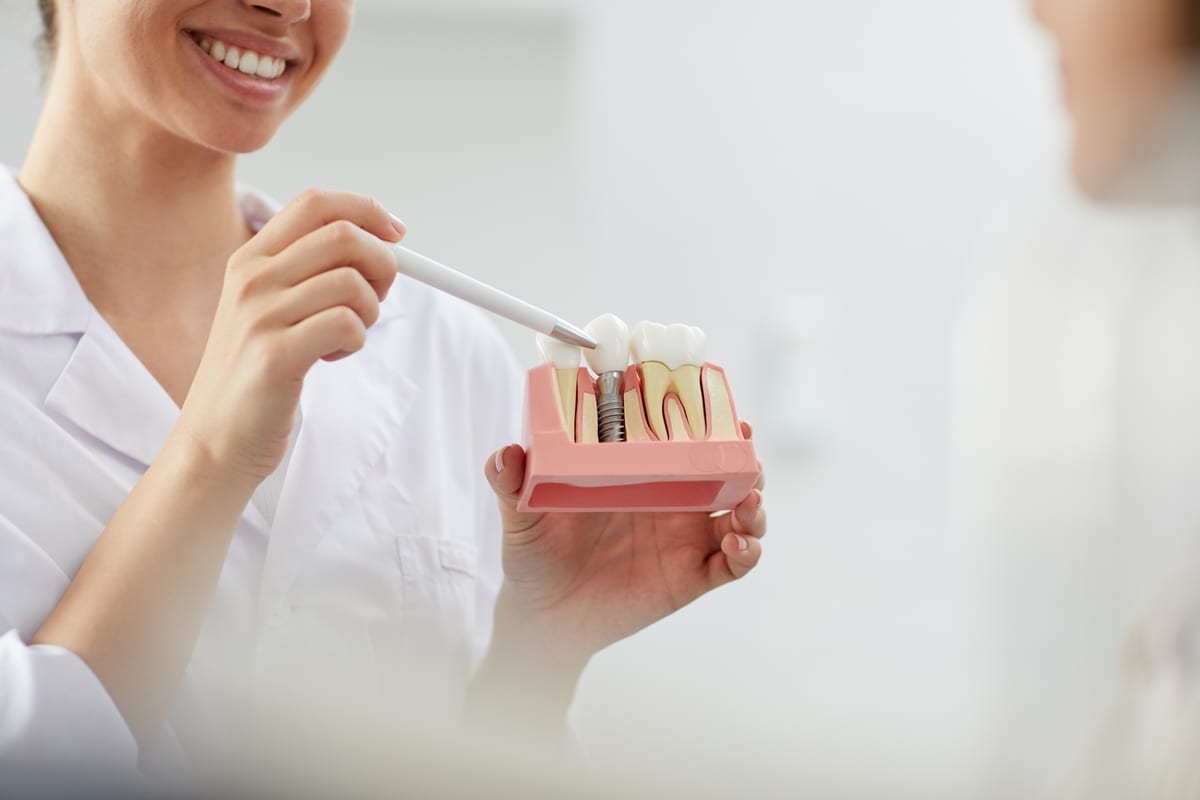
Dental implants are widely considered the gold standard for tooth replacement. They look, feel, and function like natural teeth. Unlike Dental Bridges, implants don’t rely on neighboring teeth for support. Instead, a titanium post fuses with your jawbone to create a permanent, stable foundation.
What Makes Someone a Good Candidate for Dental Implants in Webster?
The most important starting point is overall health. Your body needs to heal well after implant surgery. Most adults who are in reasonable health can successfully receive implants. A thorough consultation helps identify any concerns early.
Here are the core requirements most dentists look for:
- One or more missing teeth that need replacement
- Fully developed jawbones (typically age 18 or older)
- Adequate bone density in the jaw to support the implant post
- Healthy gum tissue free from active periodontal disease
- No uncontrolled systemic health conditions
- Commitment to good oral hygiene after placement
Meeting these criteria puts you in a strong position. Even if you don’t check every box right now, that doesn’t always mean implants are off the table. Many patients become candidates after preparatory treatments.
Does Bone Density Really Matter That Much?
Yes — and this surprises many patients in Webster. The titanium implant post must fuse with your jawbone through a process called osseointegration. Without enough bone density, the post has nothing solid to anchor into. Insufficient bone is one of the most common reasons patients are initially told they may not qualify.
When a tooth is lost, the jawbone beneath it begins to shrink over time. The longer a tooth has been missing, the more bone loss typically occurs. This is why acting sooner rather than later often leads to better outcomes. Waiting too long can complicate the process.
The good news is that bone loss doesn’t automatically disqualify you. Bone grafting is a preparatory procedure that rebuilds jawbone volume. It adds a few months to the overall timeline, but it makes implants possible for many patients who were originally told they couldn’t have them. Dr. Adegun evaluates bone density using advanced imaging before recommending any treatment path.
What Health Conditions Affect Implant Candidacy?
Certain systemic health conditions can influence whether implants are the right choice for you. This doesn’t mean you’re automatically excluded — it means your provider needs the full picture. Being open and honest during your consultation leads to the safest outcome.
Conditions that may require extra evaluation include:
- Diabetes: Uncontrolled blood sugar slows healing and raises infection risk. Well-managed diabetes is generally not a barrier.
- Osteoporosis: This condition affects bone density throughout the body. Bisphosphonate medications used to treat it can complicate healing.
- Autoimmune disorders: These can interfere with the body’s ability to heal post-surgery.
- Heart conditions: Some patients need medical clearance before any surgical procedure.
- Active cancer treatment: Radiation or chemotherapy can impair healing and osseointegration.
The key word in most of these scenarios is uncontrolled. Many patients with well-managed health conditions go on to have completely successful implants. A collaborative approach between your dentist and your physician makes all the difference.
Does Smoking Disqualify You from Getting Dental Implants?
This is one of the most honest conversations Dr. Adegun has with patients at League City Elite Dentistry. Smoking significantly increases the risk of implant failure. Tobacco restricts blood flow to the gums and slows the healing process after surgery. It also raises the risk of infection around the implant site.
Studies consistently show that smokers have higher implant failure rates than non-smokers. That’s a fact worth knowing before committing to the procedure. However, smoking doesn’t automatically disqualify someone. Many smokers have received implants — though with a clear understanding of the elevated risks involved.
The most effective step any smoker can take is to quit before surgery. Patients who stop smoking at least a few weeks before and after the procedure show significantly better outcomes. If quitting entirely isn’t possible, reducing smoking frequency and committing to rigorous oral hygiene lowers — though doesn’t eliminate — the risk.
What About Age — Is There an Age Limit?
There is a minimum age, but no real maximum. Implants are not recommended for teenagers or younger patients because their jawbones are still developing. Placing an implant before bone development is complete can lead to misalignment over time. Most providers recommend waiting until at least age 18, and sometimes slightly older.
On the other end of the spectrum, older adults receive implants successfully every day. Age alone is not a disqualifier. What matters far more is overall health, bone density, and healing ability. Many patients in their 60s, 70s, and even 80s enjoy the benefits of implants for decades.
In cases where implants aren’t the right fit, other options exist. Dental Crowns and bridges can restore function and appearance in different clinical situations. Dr. Adegun takes a personalized approach to every case and presents all available options clearly.
What to Expect at Your Implant Consultation
Your consultation at League City Elite Dentistry is a no-pressure, educational appointment. The goal is to gather information and give you a clear picture of your options. Here’s what typically happens during that visit:
- Review of your full dental and medical history
- Digital X-rays and 3D imaging to evaluate bone structure
- Gum and soft tissue assessment
- Discussion of your goals and lifestyle factors like smoking
- A personalized treatment plan with honest candidacy feedback
Dr. Adegun believes every patient deserves straight answers — not just what they want to hear. If you’re a strong candidate, you’ll leave knowing exactly what the process looks like. If preparatory work is needed first, you’ll understand why and what that involves.
Conclusion
If you’ve been wondering whether you qualify, the best step is simply to ask. Many patients who assumed they weren’t candidates discover they actually are — or that a straightforward preparatory step makes it possible. Living with a missing tooth affects your confidence, your bite, and your long-term oral health. You deserve clear guidance from a provider who takes your concerns seriously. Book Now to schedule your appointment with our team.
Frequently Asked Questions
How do I know if I have enough bone for a dental implant?
The only reliable way to assess bone density is through dental imaging, including X-rays or a cone beam CT scan. Dr. Adegun uses advanced imaging at League City Elite Dentistry to evaluate your jawbone before recommending implants. If bone loss is present, a bone graft may be recommended to rebuild the area before placement. Many patients with some bone loss are still able to move forward after this preparatory step.
Can I get dental implants if I have gum disease?
Active gum disease must be treated before implant placement. Placing an implant into an infected or inflamed environment significantly raises the risk of failure. Once your gums are healthy and stable, implants become a realistic option. Dr. Adegun will assess your gum health during your consultation and recommend treatment if needed.
Is there an age limit for dental implants in Webster?
There is no upper age limit for dental implants. Adults of any age can be candidates as long as they are in reasonable health and have adequate bone density. The minimum age is typically 18, when jawbone development is complete. Older adults frequently receive implants with excellent long-term results.
How long does the dental implant process take?
The timeline varies depending on your individual situation. If no bone grafting is needed, the process typically takes three to six months from initial placement to final restoration. Cases requiring bone grafts or additional preparatory treatment may take longer. Dr. Adegun provides a personalized timeline at your consultation so you know exactly what to expect.
What happens if dental implants aren’t right for me?
If implants aren’t the best option for your situation, other effective tooth replacement solutions exist. Dental bridges and crowns can restore function and aesthetics in certain cases. Dr. Adegun will walk you through every available option and explain the pros and cons of each. The goal is always to find the solution that fits your health, lifestyle, and long-term goals.