Can Teeth Whitening Remove Deep Coffee and BBQ Stains?



A bright, sparkling smile is often seen as a symbol of good health, confidence, and self-care. But for many people, stains caused by everyday habits like drinking coffee or enjoying a barbecue can dull their teeth and affect their smile’s appearance. If you’ve noticed dark stains from your favorite foods and drinks, you’re likely wondering: can teeth whitening help remove them?
At League City Elite Dentistry, we understand how frustrating it can be to deal with tough stains. Luckily, there are ways to restore your smile to its radiant best, and teeth whitening is one of the most effective solutions. In this blog, we’ll explore how teeth whitening works, whether it can help with deep stains from coffee and BBQ, and how you can achieve the brightest smile possible.
Why Do Stains Appear on Your Teeth?
Before diving into teeth whitening, let’s understand why these stains occur. Staining happens when pigments in food and drink—especially darker beverages like coffee, tea, and wine—are absorbed by your teeth’s porous enamel. BBQ sauces, with their rich red and brown hues, can also contribute to discoloration. Over time, these particles build up and cause teeth to appear yellow or even brown.
Factors such as smoking, aging, or poor dental hygiene can also contribute to deep, difficult-to-remove stains.
What is Teeth Whitening?
Teeth whitening is a cosmetic dental treatment designed to brighten and whiten your smile. The procedure uses a bleaching agent, such as hydrogen peroxide, to break down stains and remove discoloration. There are several types of teeth whitening treatments available, from over-the-counter products to professional treatments provided by your dentist.
At League City Elite Dentistry, we offer professional teeth whitening solutions that are more effective than what you can find at the store. Whether you choose in-office treatments or custom take-home kits, our professional whitening treatments are tailored to your needs, ensuring that your smile looks its best.
Can Teeth Whitening Remove Deep Stains from Coffee and BBQ?
So, can teeth whitening really tackle deep stains from your daily cup of coffee or those mouthwatering BBQ nights? The answer is: Yes, it can!
Coffee Stains
Coffee contains tannins, which can cause teeth to become stained over time. Since tannins are acidic, they cling to the enamel and can penetrate deep into the teeth. Professional teeth whitening treatments can break down these stains, even if they have been lingering for years. However, the effectiveness of teeth whitening depends on the severity of the staining.
BBQ Stains
BBQ sauces often contain dark, rich pigments that are notorious for leaving behind stubborn stains. These stains can be tougher to remove than typical food discoloration because of the sauce’s thicker consistency. However, teeth whitening treatments from your dentist can help remove even these deeper stains, particularly when combined with the professional strength of whitening gels and specialized techniques.
How Does Professional Teeth Whitening Work?
There are several whitening methods professionals can use to help you achieve a brighter smile, depending on your needs and the severity of your stains. The two most common options include:
In-Office Whitening
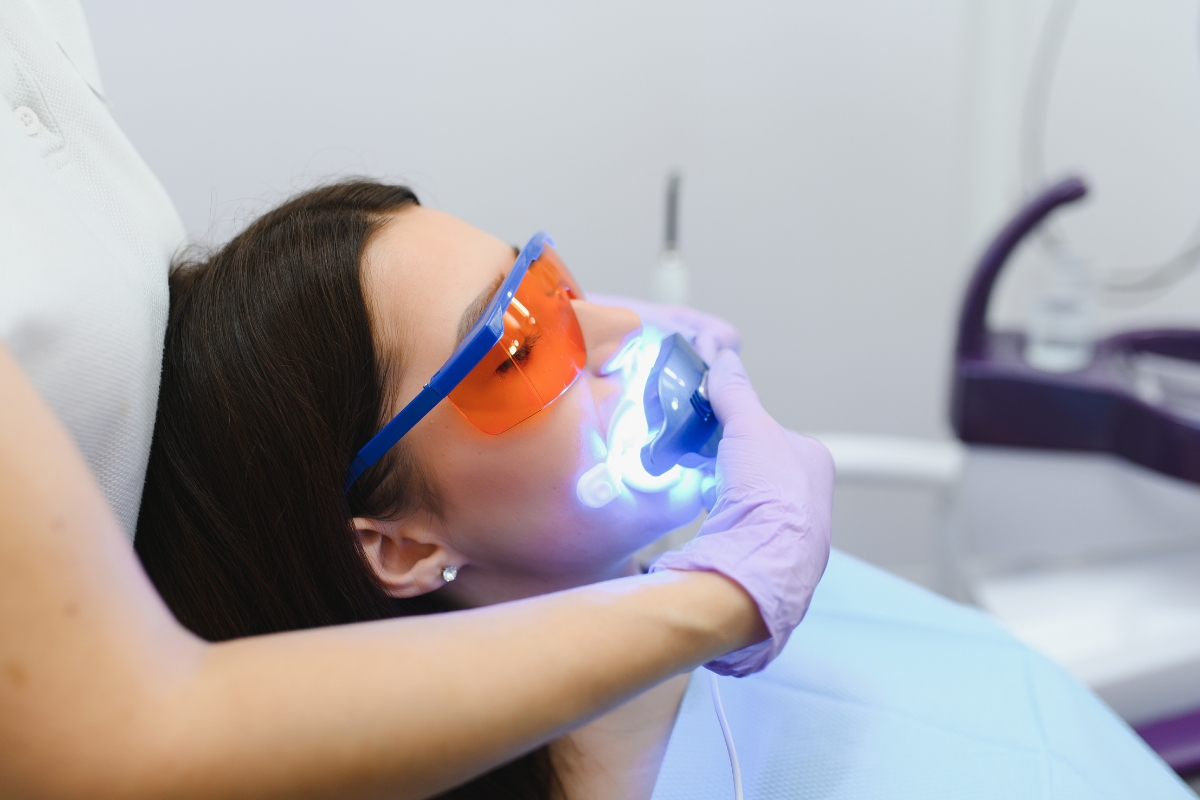
This is the fastest way to whiten your teeth. In-office whitening treatments use stronger bleaching agents that are applied directly to your teeth. The treatment is performed in one session, and you can walk out of the office with noticeably whiter teeth. It’s ideal for those who have deep, stubborn stains.
Take-Home Whitening Kits
If you prefer to whiten your teeth at home, your dentist can provide you with a custom take-home whitening kit. These kits include professional-grade whitening gel and custom-fit trays. Though it may take longer to see results compared to in-office treatments, take-home kits are highly effective and convenient for those with busy schedules.
How Can You Maintain a Bright Smile?
Maintaining a bright, white smile after whitening treatment is essential, especially if you drink coffee or eat BBQ. Here are a few tips to help maintain your bright smile:
- Brush and floss regularly: After whitening, maintaining your daily oral hygiene routine is crucial to prevent new stains from forming.
- Limit staining foods: Try to limit your intake of coffee, tea, and BBQ foods, or use a straw to reduce contact with your teeth.
- Regular dental check-ups: Schedule regular cleanings with your dentist to keep your teeth free of plaque and stains.
If you’re tired of hiding your smile due to deep coffee or BBQ stains, professional teeth whitening in League City may be the solution you need. At League City Elite Dentistry, we offer safe, effective whitening options to restore your teeth to their natural brightness. Whether you choose an in-office treatment or a take-home kit, our team is here to help you achieve the dazzling smile you’ve always wanted.
Contact us today to schedule your consultation and discover how professional teeth whitening can brighten your smile.
People Also Ask
1. How long do teeth whitening results last?
The results of professional teeth whitening typically last between six months and two years, depending on lifestyle habits. Regular touch-ups can help maintain the results.
2. Does teeth whitening cause tooth sensitivity?
Some people may experience temporary tooth sensitivity after whitening. This is normal and should subside after a few hours or days. Using toothpaste for sensitive teeth can help alleviate discomfort.
3. How can I avoid staining my teeth after whitening?
To avoid staining, reduce the consumption of coffee, tea, and acidic foods. Additionally, brushing and flossing regularly will help keep your teeth looking white for longer.
4. Is teeth whitening safe?
Yes, professional teeth whitening is safe when performed by a dentist. It’s important to follow your dentist’s instructions to minimize risks and achieve the best results.
5. Can teeth whitening help with all types of stains?
Teeth whitening is highly effective for surface stains, but it may be less effective for deep intrinsic stains